Ghost Sites and Digital Ruins: How the Internet's Forgotten Corners Became Its Most Honest Art
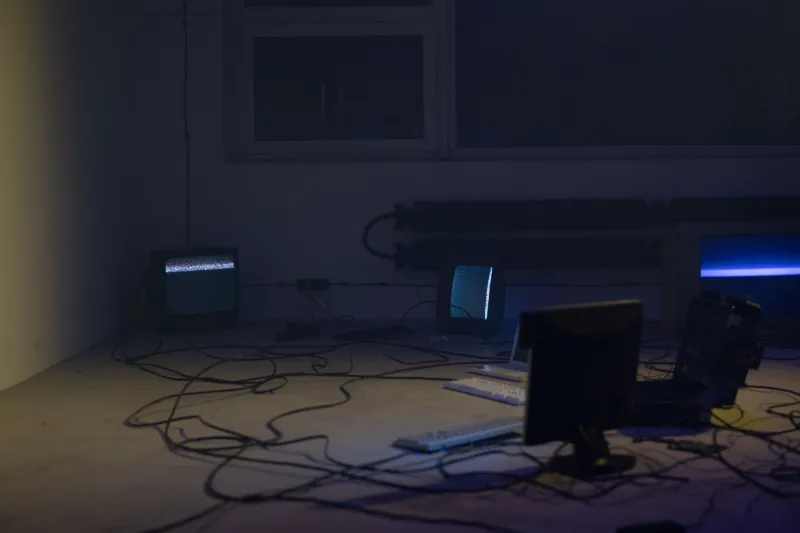
There's a website out there — last updated in 2003 — that belongs to a small-town Illinois dentist who, for reasons lost to time, spent months building an elaborate fan page for the movie Twister. Animated GIFs of tornadoes. A guestbook with eleven entries, the last one from someone named "TornadoKing99." A MIDI file of "That Thing You Do" playing on loop. Nobody asked for it. Nobody's visited in maybe fifteen years. And yet, stumbling across it feels like finding a message in a bottle from a civilization that no longer exists.
This is the haunted web — and people are obsessed with it.
The Archaeology of Accidental Art
What makes abandoned websites so magnetically strange is that they were never designed to be art. A defunct CD-ROM software company's homepage from 1997 wasn't trying to communicate anything about the fragility of digital ambition. A teenager's LiveJournal from 2004, still publicly accessible, wasn't written as a time capsule about what it felt like to be fifteen in the suburbs before smartphones. But that's exactly what these spaces have become — unintentional documents of a world that moved on without cleaning up after itself.
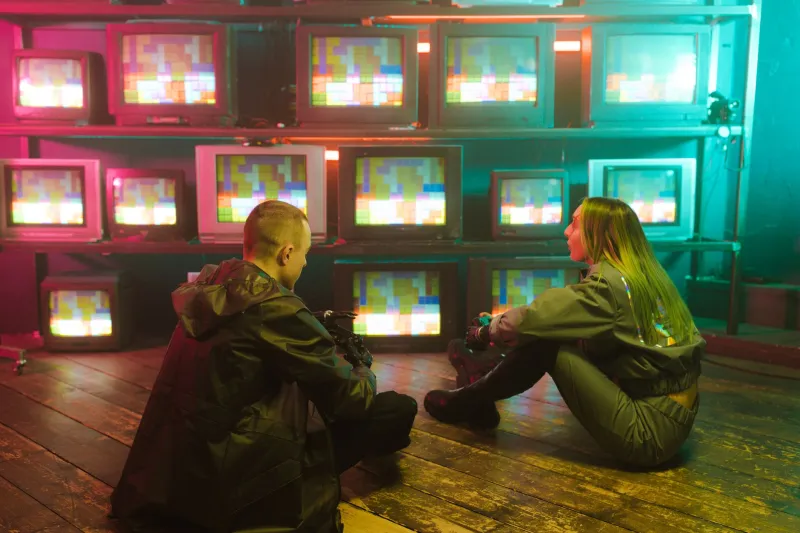
Digital archaeologists and artists are increasingly treating this abandoned infrastructure the way urban explorers treat decaying factories: as places where the absence of maintenance becomes its own kind of meaning. The peeling paint is the point. The broken image placeholder — that little gray box where a JPEG once lived — says something a polished modern website never could.
Artist and web archivist Marlena Voss, who runs a Substack documenting her dives through the Wayback Machine, describes the experience as "reading someone's diary after they've forgotten they ever kept one." There's an intimacy to it that contemporary web design, optimized within an inch of its life, has completely evacuated.
What Geocities Knew That We Forgot
When Yahoo shuttered Geocities in 2009, it deleted approximately 38 million user-created pages. The internet lost a neighborhood — actually, thousands of neighborhoods, organized by the platform into zones like "SiliconValley" for tech content and "EnchantedForest" for fantasy enthusiasts. It was chaotic, hideous by modern standards, and deeply human in a way that's almost painful to reckon with now.
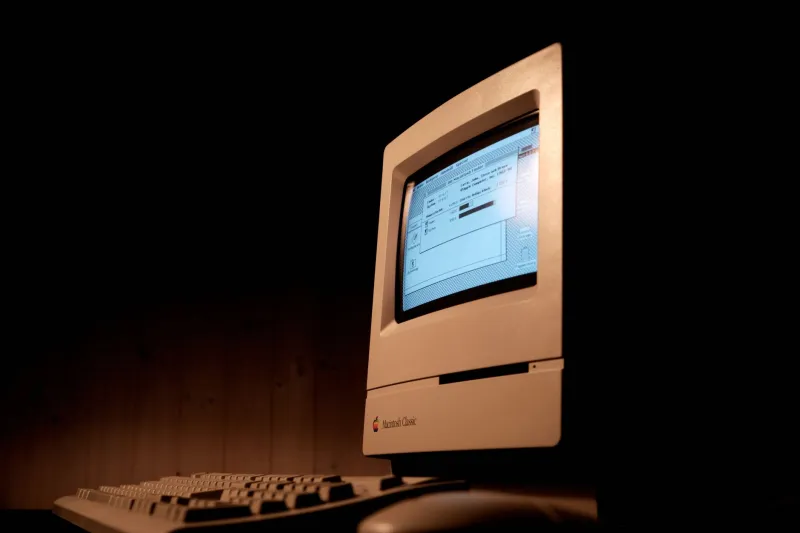
The Archive Team, a volunteer-driven digital preservation group, managed to rescue a significant chunk of Geocities before the servers went dark. What they saved now lives at archive.org and functions as something between a museum and a haunted house. Scroll through it long enough and you'll find hand-coded HTML tributes to deceased pets, elaborate wrestling fan shrines, homemade recipe collections, and proto-political rants that feel eerily familiar. Every page is a fingerprint.
Artists working in this space argue that Geocities-era web design — tiled backgrounds, Comic Sans, visitor counters, blinking text — wasn't bad design. It was personal design, executed by people with no training and everything to express. The aesthetic ugliness was a byproduct of genuine creative freedom, unconstrained by UX frameworks or brand guidelines or the creeping homogenization that turned the modern web into an endless loop of the same sans-serif font and hero image.
The Ethics of Digital Decay
Here's where things get genuinely thorny: not everyone whose old website gets excavated and celebrated signed up to be an artifact.
That dentist with the Twister page? He's probably still alive. His embarrassing teenage blog posts, his defunct band's MySpace, his early-2000s political opinions — all of it potentially preserved and now circulating as aesthetic content for people who find it charming. The line between appreciation and exploitation is blurry, and the digital preservation community is wrestling with it seriously.
Some archivists have started applying what they call a "dignity framework" to their work — essentially asking whether preserving a piece of abandoned web history serves a genuine cultural purpose or whether it's just dunking on people who didn't know better. The answer isn't always obvious. A corporate brand site from 1996 with an embarrassing attempt at being "edgy" feels fair game. A teenager's raw mental health journal from 2002 feels different, even if it's technically public.
There's also the question of what happens when decay is the correct outcome. Some things should disappear. Not every corner of the early web represents a loss worth mourning. Part of what makes the haunted web compelling is precisely that it's incomplete — that the gaps and the silence are part of the texture. Over-preservation risks turning a living ruin into a sterile exhibit.
Mining the Void for Something New
Meanwhile, contemporary artists are doing something more active than just appreciating the ruins — they're building with them.
A growing cohort of designers and net artists are deliberately adopting dead-web aesthetics as a creative vocabulary. Think intentional table-based layouts, faux-broken links, simulated MIDI soundtracks, and visual languages that reference the specific flavor of 1999 internet anxiety. It's not nostalgia exactly — it's more like borrowing the emotional frequency of a moment when the internet still felt genuinely mysterious, before it got colonized by engagement metrics and dark patterns.
Some of the most interesting work happening right now involves artists creating new abandoned websites — pages designed from the ground up to look like they've been sitting untouched since 2001. They're not trying to deceive anyone; the artifice is part of the message. They're asking what it means to simulate decay, to perform forgetting, to manufacture the uncanny feeling of stumbling onto something that was never meant to be found.
Voidcast has been tracking several of these projects, and the ones that land hardest are the ones that use the aesthetic not as a costume but as a genuine inquiry. What does it mean to make something on the internet now, knowing it might vanish without a trace? What does it mean that the most emotionally resonant corners of digital culture are the ones that failed to survive?
Let Some Things Stay Lost
There's a temptation — especially among preservation-minded folks — to treat every piece of abandoned web history as something worth saving. But the haunted web's power comes partly from its inaccessibility, from the knowledge that most of it is already gone and that what remains is only a fraction of what once existed.
The internet was never supposed to be permanent. The early web understood this intuitively — people built pages knowing they might disappear, posted without expecting archives, created without expecting audiences. That impermanence was baked in. Trying to rescue every orphaned page risks flattening that history into a theme park version of itself.
Maybe the most honest relationship we can have with the haunted web is one that allows for genuine loss. Save what matters. Let some things dissolve. Sit with the discomfort of not knowing what's already gone.
That Illinois dentist's Twister page might disappear tomorrow. TornadoKing99's guestbook entry might vanish with it. And maybe that's okay. Maybe that's exactly what makes the internet, at its most human, feel like something worth caring about at all.